Norweco Singulair Green Installation Basics You Should Know
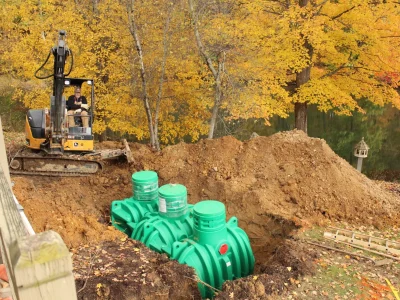

Installing a norweco singulair green system is not like setting a standard septic tank and walking away. It is closer to placing a small treatment plant in a backyard, one that depends on proper siting, careful tank placement, sound electrical work, and a realistic maintenance plan from day one. When the installation is done well, the system can provide consistent treatment performance on properties where a conventional gravity septic system may not be the best fit. When corners get cut, the problems usually show up early, and they are rarely cheap.
Most installation mistakes do not happen because the equipment is flawed. They happen because someone underestimates the details. A tank gets set slightly out of level. A riser ends up too low in a wet area. The aeration equipment is installed without enough thought about service access or weather exposure. The discharge route looks fine on paper but creates headaches once heavy rain arrives. Those are the kinds of basics that matter.
What the system is actually doing
The Singulair Green line is part of the larger category of aerobic treatment systems. Instead of relying only on passive settling and soil absorption, these units treat wastewater through staged biological activity, aeration, clarification, and final discharge handling. That makes them useful on lots with limited soil depth, difficult percolation conditions, small footprints, or local regulations that require a higher level of treatment before dispersal.
From an installation perspective, that added treatment capability also means more moving parts and more dependencies. You are not only placing a tank. You are building a treatment train that needs hydraulic balance, air delivery, electrical reliability, and safe access for future service. If one of those pieces is treated as an afterthought, the whole installation suffers.
A homeowner often sees the finished grade and a few lids. An installer sees invert elevations, burial depth, groundwater risk, wiring paths, venting, and how a service technician is going to reach components two years later in January. That difference in perspective matters.
Start with the site, not the tank
The best installations begin with a hard look at the property itself. Before equipment selection and excavation, the site needs to answer a few basic questions. Where will wastewater leave the house? What are the setbacks from wells, property lines, watercourses, foundations, and drive areas? How high does seasonal groundwater rise? What kind of dispersal or discharge method has the local authority approved?
A surprisingly common error is treating the treatment unit as the whole job. It is only one part of a larger wastewater layout. The inlet elevation from the house, the outlet elevation to the next component, and the ground contours between them should all be understood before the hole is ever dug. If the site has a tight elevation profile, a small mistake in excavation can force a redesign in the field. That usually means delays, extra fittings, and compromises no one wanted.
On sloped sites, I have seen installers focus so much on getting the tank into the easiest digging area that they create awkward piping runs from the house sewer. Long sweeping runs are usually manageable, but unnecessary bends and uneven slopes invite future trouble. Solids do not care what the plan set looked like. They respond to real-world grades.
Wet sites deserve extra caution. If groundwater is close to the excavation depth, buoyancy and sidewall stability become major concerns. In that situation, installation timing, dewatering strategy, and backfill selection need more than a passing thought. A system that settles unevenly or shifts after backfilling may never perform the way it should.
Permitting and local approval shape the installation
No two jurisdictions handle advanced treatment systems exactly the same way. Some require a licensed installer and a separate licensed maintenance provider. Others want electrical sign-off, startup verification, effluent sampling capability, or an operation agreement tied to the permit. The manufacturer’s installation literature matters, but local code and permit conditions matter just as much.
This is where people get tripped up by assumptions. A contractor experienced with conventional septic work may assume the same process applies here. It often does not. Advanced treatment systems are commonly reviewed more closely, especially when they discharge to pressure distribution, drip dispersal, shallow placement fields, or an approved outfall route.
Before equipment arrives, make sure the approved design and the field conditions still match. If the house location moved, if the grading plan changed, or if the water service and electrical trench now conflict with the wastewater route, it is far better to adjust on paper than halfway through installation. Inspectors appreciate clarity. Homeowners appreciate not paying twice for excavation.
Tank setting has to be precise
There is nothing glamorous about setting tanks, but this is where quality starts. The vessel has to sit at the proper depth, on a stable base, and at the correct orientation for the incoming and outgoing lines. Level matters more than many people think. Even small deviations can affect water levels internally, norweco singulair green alter flow from one zone to another, and complicate access to components.
The bedding material should match the manufacturer’s requirements and local soil conditions. On a clean, stable excavation, the base prep may be straightforward. In soft, silty, or wet conditions, getting a truly stable foundation takes more judgment. If the excavation pumps underfoot or sidewalls slough into the base, that is not a minor annoyance. It is a signal to stop and correct the subgrade before setting anything permanent.
Backfilling is another place where impatient work creates long-term problems. Uneven or poorly compacted backfill can leave lids out of alignment, strain piping, or create settlement around risers. If the site will carry vehicle traffic, that issue becomes even more serious. These systems are typically not forgiving of unplanned loading. If there is any chance cars, trucks, or equipment will cross nearby, the installation must account for that from the start, not after tire marks appear.
Piping details are where many callbacks begin
Wastewater treatment systems do not ask for artistic plumbing. They ask for consistent slope, proper support, clean transitions, and leak-free joints. The inlet line from the home needs to maintain grade without bellies. The outlet piping or discharge piping must reflect the approved method of disposal, whether that means gravity flow to another component, pump discharge, or another managed route.
What often causes callbacks is not a dramatic failure, but a subtle one. A pipe settles between the house and the unit. A cleanout is omitted where it would have saved hours later. A connection gets stressed because the trench was backfilled unevenly. The system may still run, but service becomes harder, and performance becomes less predictable.
With a norweco singulair green installation, it helps to think a few years ahead. If a line ever needs inspection or cleaning, can someone reach the right points without tearing up landscaping or a finished patio? That question sounds mundane on installation day. It becomes very important after occupancy.
Electrical work is not a side note
Aerobic systems depend on power. That should influence every installation decision involving controls, alarms, routing, and accessibility. The compressor or aerator assembly, control center, alarm components, and any pumping equipment need a dedicated, code-compliant electrical setup. This is not a place for improvised wiring or undersized circuits.
The practical issue is not only safe power delivery. It is also serviceability. Controls mounted where they can be reached and read easily tend to get checked and maintained. Controls tucked behind shrubs or attached in awkward locations tend to be ignored until an alarm becomes impossible to miss.
Moisture protection deserves special attention. Outdoor electrical components live in a tough environment. Sun, rain, freeze-thaw cycles, insects, and lawn care all take their turn on enclosures and conduits. A neat installation with proper fittings and thoughtful routing will usually outlast one that technically worked on the day it was energized.
Homeowners should also understand what the alarm is telling them. An alarm is not decoration. It is an early warning. During startup, someone should explain what normal operation sounds like, what the control panel indicators mean, and who to call if something changes. A surprising number of expensive service calls begin with, “It started beeping weeks ago, but the water still seemed to be going down.”
Grade, drainage, and access deserve more attention than they get
A finished installation should shed surface water away from lids, risers, and control equipment. That sounds obvious, yet many systems end up in shallow depressions because the final grading crew worked to aesthetics rather than drainage. Ponded water around access openings is more than an annoyance. It complicates service, encourages infiltration risk around imperfect seals, and shortens the life of surrounding components.
Riser height is another judgment call that affects the system for years. Too low, and the unit becomes difficult to access, especially after mulch, topsoil, or seasonal debris builds up. Too high, and it may create a visual or mowing issue. The best outcome usually comes from balancing appearance with realistic service needs. Hidden lids may look cleaner the day the landscaper leaves. They rarely look smarter when a technician spends forty minutes probing for them in wet ground.
If the property has heavy runoff, roof drainage, or irrigation aimed toward the system area, correct those issues during installation, not after. Wastewater treatment equipment does not benefit from becoming the lowest point in the yard.
A few installation checks that catch big problems early
The most useful field checks are simple, but they should be done deliberately:
- Verify inlet and outlet elevations before final backfill.
- Confirm the tank is level in both directions.
- Check that all access openings remain serviceable at finished grade.
- Test electrical operation, alarms, and any pumping functions before turnover.
- Walk the drainage pattern after grading, especially if rain is in the forecast.
None of that is exotic. All of it prevents avoidable headaches.
Startup is part of the installation, not an afterthought
There is a tendency in some projects to think the job ends when the ground is smoothed and the power is on. For advanced treatment units, startup is where the installation proves itself. Water should move through the system the way the design intended. Aeration equipment should run properly. Controls should indicate normal status. Any pumps or discharge devices should cycle correctly.
Biological treatment does not reach full stability instantly, so expectations during early operation should be realistic. That said, startup can still reveal mechanical, hydraulic, or wiring issues right away. If a system is going to short cycle, alarm unnecessarily, fail to transfer flow correctly, or show signs of infiltration from poor seals, it is better to find that before the installer leaves the site for good.
This is also the moment for homeowner orientation. The owner should know where the system is, what not to drive over, what not to flush, and what routine service will look like. People are far more likely to care for a system when someone takes ten minutes to explain it clearly.
Soil and loading conditions change the installation strategy
One reason there is no single perfect installation recipe is that site conditions vary so much. Dense norweco singulair green clay behaves differently from sandy loam. Frost depth in one region may be trivial and severe in another. Some properties have ample room and easy access. Others require working in narrow corridors between trees, wells, utilities, and foundation setbacks.
In heavy soils, drainage around the unit becomes more critical because water tends to linger. In sandy conditions, excavation walls may require different caution because collapse can happen quickly. In cold climates, cover depth and component protection need to reflect freeze risk without burying access so deeply that service becomes impractical.
Loading is another often-overlooked variable. A peaceful side yard can become a delivery path once a homeowner adds a garage, shed, or pool. If the tank and appurtenances sit anywhere near likely future traffic, it is worth addressing protective measures at installation. It costs far less to plan for that possibility than to repair a compromised system later.
Common mistakes that cause expensive trouble
The failures that cost real money tend to come from a familiar set of habits:
- Installing to fit the hole instead of digging to fit the approved layout.
- Ignoring drainage and leaving the system in a water-holding low spot.
- Treating electrical hookup as minor work rather than critical system infrastructure.
- Burying access components too deeply or hiding them under hardscape and landscaping.
- Skipping a proper startup and homeowner handoff.
None of those mistakes looks dramatic in the moment. Each can turn a clean installation into a frustrating one.
Maintenance begins the day the system is placed in service
A norweco singulair green unit should be installed with maintenance in mind because it is not a passive tank. It needs periodic inspection and service by someone who understands the equipment and the treatment process. That means room to open lids safely, enough working space around control equipment, and clear knowledge of what was installed where.
Good installers leave behind more than a leveled yard. They leave a record. At minimum, the owner should know the system location, the route of buried wiring and piping where practical, the model information, the alarm response contact, and the service expectations required by the local authority or provider. When that information disappears, the next technician often has to spend billable time rediscovering basics that should have been handed over.
There is also a practical side to owner education. Everyday household habits affect treatment performance. Excess bleach, paint residues, wipes, grease, and large shock loads from leaks or back-to-back laundry cycles can all stress a small treatment unit. The installation is only half of long-term success. The way the household uses the system matters too.
What homeowners should ask before sign-off
Homeowners do not need to know every technical detail, but they should ask a few direct questions before accepting the finished job. Who will handle routine service? What does the alarm mean? Where exactly are the lids and controls? Is there anything they should avoid planting, building, or driving over? Has the installer verified operation under power and water flow?
Those questions often reveal whether the project was treated as a professional installation or just an excavation and hookup. A contractor who knows the system well will answer clearly and without hesitation.
Why experienced installation judgment matters
Advanced wastewater systems reward careful craftsmanship. The drawings matter, the manufacturer’s instructions matter, and the permit conditions matter, but field judgment ties them together. A crew that notices groundwater rising during excavation and adjusts accordingly can save a project. A technician who catches a poor grading plan before the first heavy storm can prevent years of nuisance service calls. A thoughtful installer who places controls where they can actually be seen is doing more for system reliability than it might appear.
That is the real lesson behind installation basics. The basics are not minor. They are the job.
When a norweco singulair green system is sited correctly, set level, wired properly, protected from drainage issues, and started up with care, it usually shows its quality quietly. There are no chronic alarms, no soggy spots, no mystery odors, no frantic calls after the first holiday weekend with a full house. It simply does what it was installed to do. For a wastewater system, that is the best result anyone can ask for.
Excavating New Jersey LLC
406 County Rd 565, Wantage, NJ 07461, United States
+1 973-791-4284
FAQ About norweco singulair green
How much does a NORWECO septic system cost?
The installed cost depends on the selected unit, engineering, site access, excavation, electrical work, disposal-field design and required approvals. A tank-only price is not a complete installation quote. Ask Excavating New Jersey LLC for a site-specific, itemized estimate that also explains ongoing service costs.
How does a Norweco septic system work?
The Singulair Green uses pretreatment, aeration, clarification and filtration to treat domestic wastewater. In the aeration chamber, oxygen supports bacteria that break down organic material. The Bio-Kinetic unit provides further filtration and flow equalization. Final effluent disposal must follow the property's approved design and applicable requirements.
What is the average lifespan of a septic system?
There is no guaranteed lifespan for every system. Design, installation, soil conditions, wastewater loading and regular maintenance all matter, and mechanical parts may need replacement before the tank. For a Singulair Green system, follow the manufacturer's service schedule and have a qualified provider assess its condition and pumping needs.