How Technology Improves Septic Engineering and Design in Wantage NJ
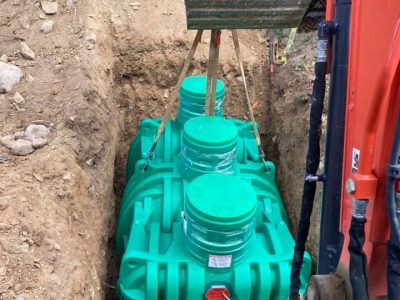
Septic work has always been local. Soil changes from lot to lot, grades shift in ways survey maps only partly reveal, and one wet spring can expose drainage problems that stayed hidden for years. In Wantage, NJ, those realities are especially familiar. Large rural parcels, rolling topography, seasonal groundwater swings, older homes with aging systems, and a mix of open land and environmentally sensitive areas all shape how onsite wastewater systems must be planned.
What has changed is the way engineers and designers can study those conditions before construction begins. Better field tools, stronger mapping software, improved hydraulic modeling, and more accurate surveying methods have made septic planning less dependent on rough assumptions. That matters to homeowners, builders, and municipalities alike. A septic system that is well designed on paper is more likely to function predictably in the field, cost less to maintain, and avoid the expensive headache of premature failure.
When people hear the phrase septic engineering and design Wantage NJ, they often think only of permits and drawings. In practice, the work is much broader. Good design sits at the intersection of soil science, civil engineering, site planning, code compliance, and construction judgment. Technology has improved every part of that process, not by replacing experience, but by sharpening it.
Why septic design in Wantage demands precision
Wantage is not the kind of place where a one-size-fits-all system makes sense. Two nearby properties can have entirely different subsurface conditions. One lot may have well-draining soils with enough vertical separation for a conventional field. The next may show mottling, shallow limiting zones, or perched seasonal saturation that changes the entire design path.
That local variability is where technology earns its keep. Years ago, many design decisions relied heavily on a limited number of test holes, hand-drawn site sketches, and broad interpretations of slope and drainage. Experienced designers could still do good work, but there was less margin for spotting subtle constraints early. Today, digital tools help engineers connect field observations to a more complete site picture.
The result is not just cleaner paperwork. It is better decision-making. An engineer can identify the most viable disposal area sooner, compare alternatives before staking out a final layout, and document site conditions in a way that holds up during review and construction. On difficult lots, that can be the difference between a buildable project and months of redesign.
Better site mapping changes the starting point
One of the most important improvements in modern septic design is the accuracy of base mapping. Older septic plans were often built from a patchwork of tax maps, rough tape measurements, and isolated spot elevations. That approach worked on straightforward parcels, but it left room for error, especially where slopes, drainage patterns, wells, property lines, and setbacks were tight.
Modern surveying tools, including GPS-assisted field collection and total station equipment, allow much finer site control. The benefit is obvious on sloped parcels, where a few inches of elevation can affect pipe depth, pump requirements, or the usable shape of a disposal field. It is also valuable when fitting a system around wells, driveways, retaining walls, easements, streams, and reserve areas.
In Wantage, where many properties are spacious but not necessarily simple, high-quality mapping often reveals opportunities that are easy to miss by eye. A slight bench in the terrain may support a more practical drainfield orientation. A small swale may suggest seasonal water movement that should be avoided. A proposed driveway alignment may need to shift because future vehicle traffic could compact the best soils on the lot.
This is one of those areas where technology supports common sense. It does not eliminate field judgment. It gives the engineer a more reliable canvas before making decisions that affect the life of the system.
Soil investigation is more informed than it used to be
Septic systems live or die by soil conditions. No amount of drafting software can rescue a design that ignores how water actually moves through the ground. What technology has improved is the way soil observations are recorded, interpreted, and integrated into design.
Field logs can now be tied directly to digital site plans. Engineers can document test pit locations with better positional accuracy, attach photographs to soil observations, and correlate texture, structure, color, and redox features to exact parts of the site. That may sound administrative, but it has real design consequences.
On a marginal lot, subtle changes in soil profile can determine whether a conventional trench field is feasible or whether an alternative system should be considered. Better recordkeeping also helps when projects stretch over time. A property owner may investigate a lot in one season, then build much later. Having organized digital records allows the engineer to revisit the site history with less guesswork.
There is also a quality control benefit. When several team members touch a project, perhaps a soil scientist, a surveyor, a design engineer, and a contractor, technology helps everyone work from the same information. That reduces the chance of locating a disposal field a few feet off the intended area or misreading an earlier field note during final design.
CAD and design software reduce preventable mistakes
Computer-aided drafting is hardly new, but modern septic design software goes well beyond neat drawings. It allows engineers to layer topography, property boundaries, test data, setbacks, utility information, and hydraulic calculations into one coordinated design environment.
That coordination matters because septic systems are full of interdependencies. Change the house location and the sewer line length changes. Change the building elevation and the invert at the tank changes. Shift the tank and pump chamber and now service access, venting, and grading need another look. On a constrained lot, these are not small details. They can affect whether the design remains compliant and practical to build.
A strong digital workflow catches many of these conflicts before anyone mobilizes equipment. That saves time and money. It also makes it easier to compare alternatives. An engineer can test multiple field locations, trench layouts, or dosing configurations without redrawing the entire plan each time.
For septic engineering and design Wantage NJ, this matters because many projects are not greenfield installations on perfectly open land. They involve additions to older homes, replacement systems on disturbed lots, or new construction where architectural plans and site constraints compete for space. Software helps engineers make cleaner, faster adjustments while keeping the whole site in view.
Hydraulic modeling improves system performance
A septic system is not just a tank and a field. It is a hydraulic system that must receive wastewater, settle solids, dose or distribute effluent appropriately, and move that effluent into the soil at a rate the soil can accept. Technology has made those performance calculations more refined.
Engineers can now model flow assumptions, pump cycles, pressure distribution, dose volumes, and loading rates with far less manual approximation. That is especially useful when dealing with larger homes, uneven terrain, long force mains, or advanced treatment units. Systems that include pumps, timed dosing, low-pressure distribution, or drip dispersal benefit from more exact calculations because small errors in pressure or volume can show up later as uneven loading or nuisance maintenance issues.
The average homeowner may never see those numbers, but they feel the result. A system that doses properly tends to age better. Fields are loaded more evenly. Pumps cycle within expected ranges. Alarm settings can be tailored more intelligently. The whole system behaves with fewer surprises.
There is a practical example I have seen repeatedly on sloped sites. Without careful hydraulic design, it is easy to create a layout where pipe runs are longer than they need to be or where elevation changes force more pump demand than necessary. With digital modeling, those inefficiencies are easier to spot early. The fix might be as simple as rotating the field, relocating the pump chamber, or adjusting finished grades slightly. Small changes on a plan can produce large gains in long-term reliability.
Lidar, aerial imagery, and GIS add context that field visits alone cannot
No desktop tool replaces walking a property. Still, aerial imagery and geographic information systems have become valuable for septic work because they reveal patterns beyond the immediate test area. That broader perspective is useful in Wantage, where drainage paths, neighboring wells, old disturbances, stone walls, tree lines, and historical site use can all influence placement decisions.
Lidar-derived topography is particularly useful in understanding subtle terrain. Standard contours may smooth over low swales or old grading activity. Higher-resolution data can expose those features, which in turn helps identify better reserve areas or explains why a section of lawn stays wet after storms.
GIS layers can also help engineers screen for environmental constraints before deep design work begins. That does not replace formal review, but it helps organize the feasibility discussion. If wetlands mapping, floodplain information, or watershed-related concerns appear relevant, the design team can plan accordingly instead of discovering conflicts late in the process.
For property owners, this often leads to a more honest early conversation. Some lots support simple systems. Others may require more testing, more engineering, or more budget. Technology makes it easier to identify which type of project you are dealing with before commitments pile up.
Remote monitoring and smarter controls help after installation
The design phase gets most of the attention, but technology is improving installed system performance too. Many advanced septic systems now include control panels with better diagnostics, programmable dosing, and alarm tracking. Some can support remote monitoring, which allows service providers to review basic performance data without waiting for a failure call.
This is especially useful for systems with pumps or treatment components. A float switch issue, abnormal pump run time, or power interruption can often be identified sooner. Early detection matters because many septic problems become expensive only after they go unnoticed. Catch a pump problem quickly, and you may be dealing with a routine service visit. Catch it after backups or chronic overloading, and the repair conversation becomes much less pleasant.
That said, smarter controls do not make maintenance optional. They make maintenance more informed. A monitored system still needs inspections, pumping, and common-sense use by the homeowner. Technology works best when it supports disciplined ownership rather than replacing it.
Replacement systems benefit enormously from modern tools
Some of the clearest gains show up in replacement work. Designing a new system on open land is one challenge. Replacing a failed or undersized system on an occupied residential lot is another. The engineer may need to work around mature landscaping, wells, patios, sheds, pools, driveways, utilities, and additions that were never planned with future septic needs in mind.
Modern survey data, subsurface records, and design software allow more creative but still defensible solutions. A replacement area that once seemed impossible may become feasible after accurate grading analysis. A pressure-dosed system may fit where a gravity layout cannot. A revised house sewer path may preserve critical separation distances. None of that happens by magic. It happens because the engineer can see constraints more clearly and test options more efficiently.
Older homes in and around Wantage often present exactly this kind of puzzle. The original system may have been installed under different standards, for a smaller household demand, or before later site improvements consumed the best replacement area. Technology does not erase those constraints, but it helps squeeze more value out of the remaining design space.
What technology does not fix
It is worth saying plainly that digital tools are not a substitute for field competence. The best software in the world cannot make an unsuitable location suitable. It cannot change restrictive soil. It cannot correct bad installation practices. It cannot compensate for a contractor who misses elevations, a homeowner who ignores maintenance, or a design that chases a permit while neglecting real-world serviceability.
The strongest septic designers use technology as an extension of judgment, not a replacement for it. They still walk the lot. They still read the soil carefully. They still think about access for future pumping trucks, the likelihood of roof runoff reaching the field, and whether the plan will make sense to the installer standing in mud on a November afternoon.
That distinction matters because flashy terminology can distract from basics. In septic work, the basics remain stubbornly important. Wastewater must be treated and dispersed safely. Components must be accessible. The site must support the proposed loading. Local regulations must be met. If a technology does not help with one of those goals, it is just decoration.
The homeowner experience is improving too
From the homeowner side, one of the quiet benefits of technology is better communication. Clearer plan sets, digital renderings, and organized site data help clients understand what is septic engineering and design Wantage NJ excavatingnj.com being proposed and why. That is no small thing. Septic projects are often stressful because they are expensive, technical, and buried underground where no one can easily visualize the final result.
When an engineer can show accurate topography, setbacks, component locations, and reserve areas in a clean digital plan, the conversation changes. Homeowners can make better decisions about driveways, additions, garages, pools, or landscaping because they understand where the septic system really needs protection. Builders also benefit because they can coordinate excavation, utility work, and grading with fewer surprises.
A few practical gains stand out:
- more accurate layouts for tanks, fields, and sewer lines
- faster revisions when house plans or site conditions change
- clearer documentation for permits, inspections, and contractors
- earlier detection of constraints that affect budget or feasibility
- better long-term service information for advanced systems
None of those items are glamorous, but together they reduce friction throughout the life of a project.
How this changes project timelines and costs
Technology can save money, but not always in the way people expect. It does not necessarily make engineering cheap. Detailed surveying, digital modeling, and expanded investigation may add upfront effort. What they often do is reduce the risk of expensive mistakes later.
That distinction is important. A septic project can go off track in many ways. A field might need relocation after construction staking. A pump may be undersized because friction loss was oversimplified. A reserve area may be compromised because its limits were not mapped clearly. A replacement design may fail review because constraints were discovered too late. Each of those problems costs far more to fix after the fact than it would have cost to analyze properly at the start.
For property owners comparing proposals, the cheapest design package is not always the best value. In septic engineering and design Wantage NJ, the more important question is whether the engineer is gathering enough information to design confidently for that specific site. On a straightforward lot, the answer may not require extraordinary effort. On a difficult lot, it often does.
Choosing a design approach that fits the site
Technology offers more options than ever, but more options are not always better. The right design approach depends on the property, the planned use, the local standards, and the long-term maintenance reality. A simple gravity system, if the site supports it, will often remain the most straightforward solution. A pressurized or advanced system may be the better answer where grades, soils, or available area are limited.
The key is matching complexity to need. I have seen sites where a conventional layout with thoughtful grading outperformed a more elaborate concept that looked impressive on paper. I have also seen difficult lots where only a carefully engineered pressure-dosed or treatment-based system made responsible development possible. Technology helps compare these paths, but experience is what keeps the comparison honest.
A sound design process usually includes a few basic disciplines:
- investigate the soil thoroughly and document findings well
- map the site accurately, including elevations and setbacks
- evaluate more than one layout when constraints are tight
- design for construction practicality and future maintenance
- preserve a viable reserve area whenever possible
Those principles existed before digital tools, and they will still matter years from now. What has changed is the precision with which engineers can apply them.
A more resilient future for onsite wastewater design
Septic systems rarely attract attention when they work well, which is exactly the point. The best systems disappear into daily life. Toilets flush, showers drain, alarms stay silent, and the yard remains dry. Achieving that quiet reliability starts long before installation. It starts with understanding the land, respecting the limits of the site, and designing with enough accuracy that construction and long-term use follow a stable path.
Technology has made that process better in Wantage. It helps engineers see more, measure more accurately, coordinate details more effectively, and anticipate problems earlier. It supports smarter replacement work on constrained parcels and stronger performance septic engineering and design Wantage NJ on new construction. Just as importantly, it improves communication between engineers, regulators, contractors, and property owners.
For anyone planning a new build, a home addition, or a system replacement, that progress is worth paying attention to. Septic design is still grounded in fieldwork, soil science, and practical judgment. The difference now is that those fundamentals are backed by tools that make the final design more precise, more defensible, and more likely to perform well for years.
Excavating New Jersey LLC
406 County Road 565
Wantage, NJ 07461
(973) 791-4284
FAQ About septic engineering and design Wantage NJ
Who can design a septic system?
A New Jersey licensed professional engineer can assess the property and prepare the design. The local administrative authority can explain the applicable submission and permit requirements.
Why would I need an engineered septic system?
Soil conditions, groundwater, setbacks, lot size, or the expected wastewater flow can affect which designs are suitable. A site evaluation helps identify options for the property.
How much does it cost for an engineer to design a septic system in NJ?
Costs vary with site conditions, testing, surveying, and the scope of the design. Ask for an itemized quote that separates engineering, tests, permits, and installation.